Adorely

Surprise ideas

12 ideas for a 50th or 60th that make the day theirs

By Pash, founder of Adorely · Updated 29 July 2026 · 6 min read

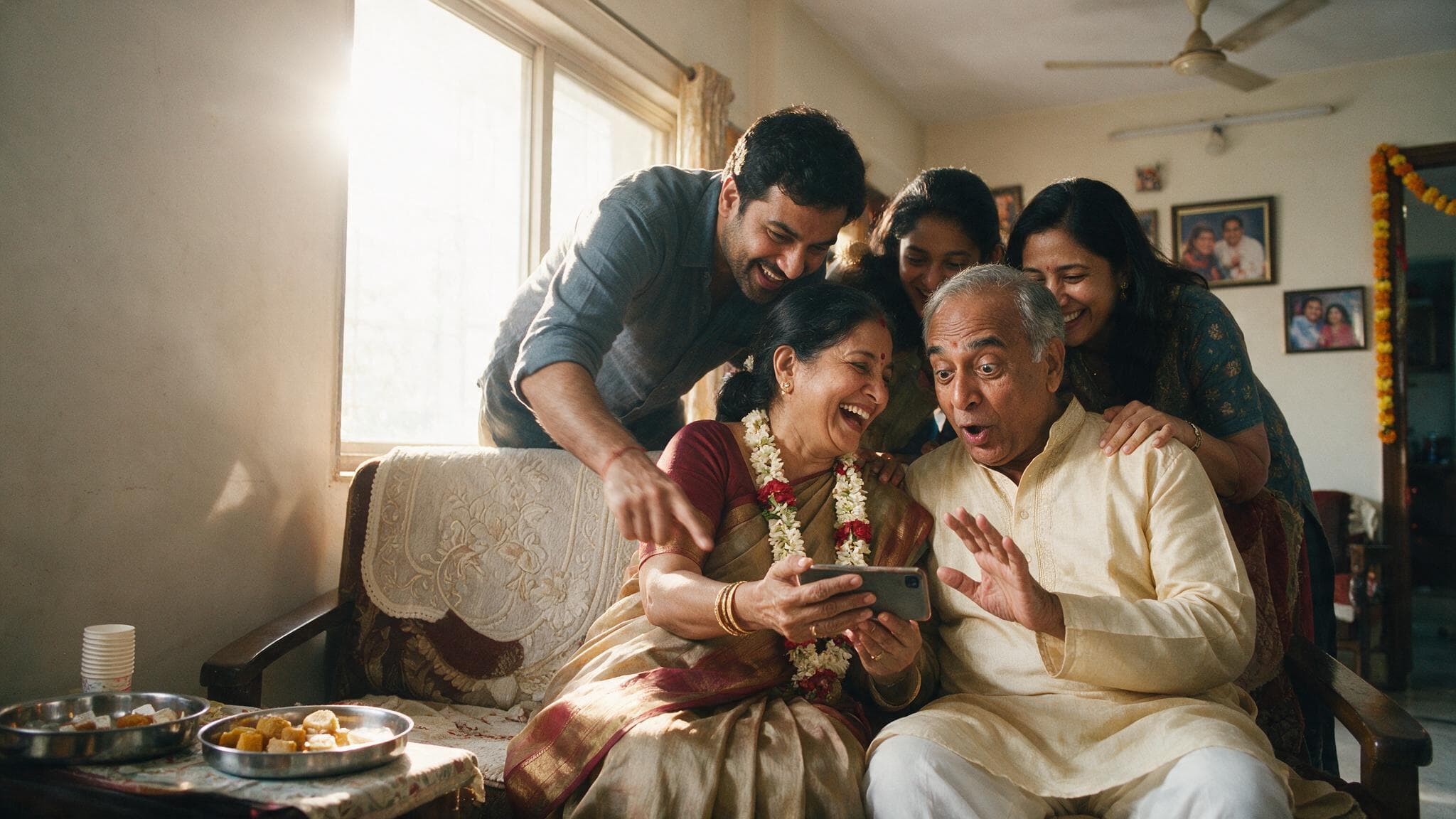
An older couple on a sofa at a milestone birthday with three family members leaning in to see a phone

For a parent’s 50th or 60th, the ideas that land are the ones that make the day about their own life: a birthday page where the whole extended family leaves a wish, their childhood friends tracked down and invited, decades of old photographs restored and reprinted, their story recorded in their own voice, a trip back to the town they grew up in, and, at sixty, the shashtipoorthi done properly if your family keeps it.

Most of these need a few weeks and some sibling coordination across time zones, so start earlier than feels necessary. Pick one big thing and two small ones. And expect resistance: a generation that spent decades pointing every celebration back at their children will say no fuss for a month, then keep the photo album on the table for a year.

Twelve ways to make the day about them

Rewind birthday page template: a scrapbook-style layout built for decades of old family photographs

1.A page the whole family can write on

A fiftieth or sixtieth is the one birthday where the invite list stretches across cities and countries, and plenty of those people will never make it to the room. A page collects their wishes anyway. Send one link to the family group, let everyone write, and put photographs from the seventies next to last Diwali’s. Building it costs nothing. You pay once, when you publish, and there’s no subscription after that.

Start a page for their milestone birthday

2.Track down the friends they lost touch with

Months earlier, ask casually who they still think about from school, from college, from the first job. Then go and find those people. Old addresses, a cousin who might know, a landline in a village, Facebook. One friend walking in after thirty years does more to a sixtieth than anything wrapped on the table. If travel is impossible, get a video message and play it at dinner.

3.A letter from every person who owes them one

Write privately to twenty or thirty people, never on the group: siblings, cousins, colleagues, their old students, the neighbours from the first flat. Ask each one for a page about a specific thing your parent did for them. Print it, bind it properly, no plastic sleeves. Then give them time alone with it before the party, because most people cry at page four, and your father would rather do that in an empty room.

4.Recreate the wedding photograph

Find the original and study it: how they stood, where the light came from, who was on which side. Then set it up again. Same pose, same order of people if the siblings are still around, the same sari if it survived, and many do. A photographer for two hours costs less than most gifts. Print the old frame and the new one side by side. This one stays on a wall.

5.Record their story while you can

Prop a phone up and ask real questions. What their mother’s kitchen smelled like. How the move to the city actually happened. What they were afraid of at twenty-five. Which year was the hardest. Two hours is plenty, spread over a few evenings, and the trick is to ask follow-ups and let the silences run. You will want this recording more in twenty years than any photo from the party.

6.Restore the photographs nobody can see any more

The album in the steel almirah is fading, half stuck to its plastic sheets, and most of it exists in exactly one copy. Scan every page, get the worst ones restored (studios in most Indian cities still do this by hand, and there are cheap digital options too), then reprint a set. Their wedding photo at a size you can actually see is a real gift. Send the files to every sibling as well.

7.Take them back to the town they grew up in

The house may be gone, or somebody else’s now. Go anyway. The school gate, the temple, the road to the station, the one shop that somehow survived. Drive them, keep the day loose, and let them talk without steering it. Bring a sibling of theirs if you can, because the two of them together will remember things neither could alone. Film a little of it, quietly, on your phone.

8.Let the grandchildren do something unrehearsed

Skip the choreographed dance. Ask each grandchild separately what they love about Ajji or Dadu, and film the answer with no coaching at all. Small children say strange, precise, devastating things that no adult would think to say out loud. Play it on a laptop at the party, or slip the clips into the birthday page. If they are abroad, record the video calls, with permission, and stitch them together.

9.Give back the thing they set aside

Ask what they stopped doing when the children arrived. The tabla, the tailoring, the postgraduate degree, the painting, the singing they were apparently very good at. Then buy the thing and book the teacher: an instrument with a term of lessons paid up front, a proper sewing machine, a course fee settled in full. Do the booking yourself, because left to them it stays a plan forever.

10.Do the shashtipoorthi properly, if your family keeps it

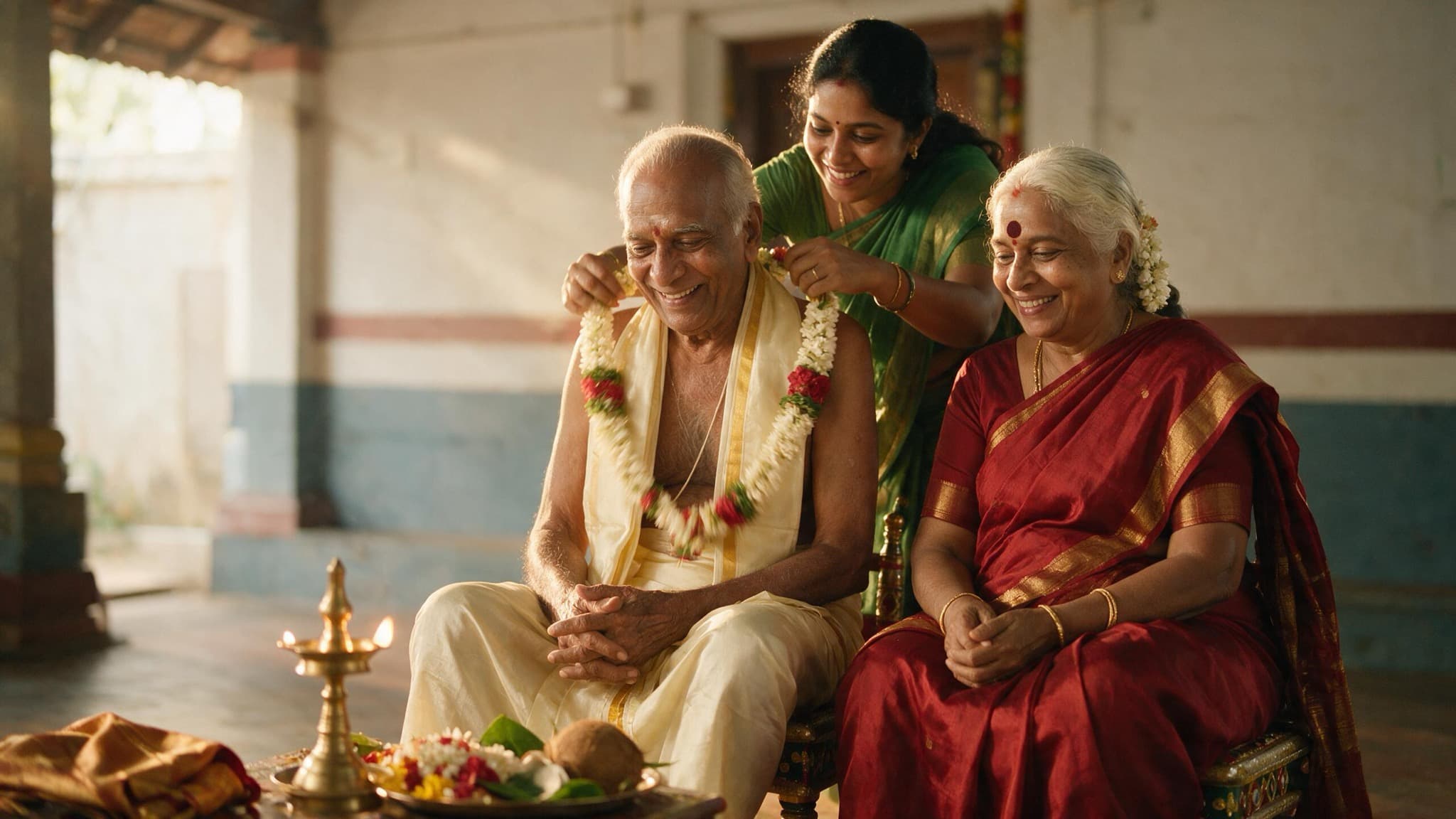
Across much of South India the sixtieth is marked by a ceremony, shashtiabdapoorthi, where a couple takes their wedding vows again in front of everyone who has arrived since: children, grandchildren, the whole extended family. Book the priest early, ask the older relatives what the rituals actually need instead of guessing, and hire a photographer. Parents who refuse a party will often accept a ceremony, because tradition gives them permission to be celebrated.

11.Spend the money on who is in the room

Before booking a venue, work out who your mother would most want standing there: her brother in Dubai, her closest friend from the hostel, the sister-in-law she raised her children alongside. One ticket for one of those people beats a bigger hall and a better caterer, every time. Ask your siblings to split the cost. Coordinate the arrival so it stays a surprise, and a small lie about a delayed flight helps.

12.Do not let them host their own birthday

She will try to plan the menu, count the chairs and check whether every guest has eaten. Take all of it away in advance. Assign one sibling to the kitchen, one to the guests, and one to her, whose only job for the evening is keeping her seated. Send the caterer’s number to the cousins, never to her. A whole day of being looked after is the rarest gift in the house.

Quick answers

How do I celebrate my parents’ 50th birthday?

Start with the guest list rather than the venue. Work out everyone who should be in the room or at least heard from, collect their wishes on one page, find the friends your parents lost touch with, and build the rest of the day around their own story: photographs restored and reprinted, their voice recorded, one trip that means something to them.

What is shashtipoorthi and how is it celebrated?

Shashtipoorthi, also called sashtiabdapoorthi, marks the completion of sixty years. Many South Indian families mark it with a ceremony where the couple takes their wedding vows again in front of their children and grandchildren, followed by a meal for the extended family. The date is usually fixed by the priest against the birth star, so ask early. It rarely lands on the calendar birthday.

My parents say they want no fuss. What should I do?

Believe the words and ignore the instruction. Go small and personal instead of a hall full of people: a page of wishes they can read alone, a book of letters, the old photographs restored, dinner with the six people they genuinely like. The ones who protest hardest tend to keep what you made within reach for months afterwards.

Turn the idea into the gift.

A birthday page takes an evening: photos, your words, their song, and wishes from everyone. Free to build, every design included.

Make a page for your mom

Keep reading