
Adorely

Reference

Your English birthday wish, said properly in Hindi

By Pash, founder of Adorely · Updated 5 November 2026 · 6 min read

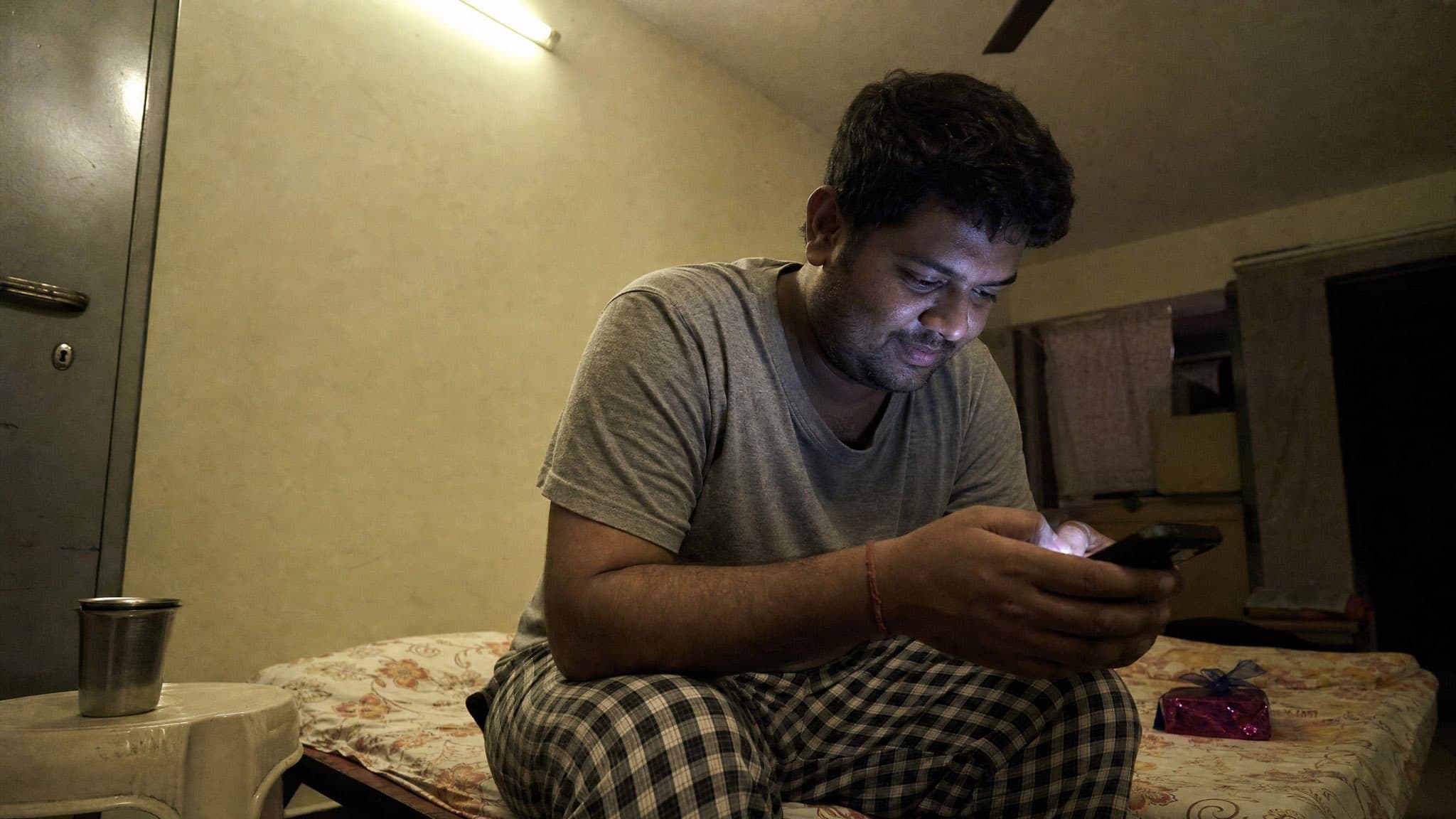
A young man sitting on his bed late at night, typing a birthday message on his phone, a small wrapped gift beside him

"Wishing you a very happy birthday" in Hindi is आपको जन्मदिन की बहुत बहुत शुभकामनाएं (aapko janmdin ki bahut bahut shubhkamnayein). For a friend or someone younger, say तुम्हें जन्मदिन की ढेर सारी शुभकामनाएं (tumhe janmdin ki dher saari shubhkamnayein). Below are twenty more English birthday lines people look up, each in Hindi, with a roman version you can type on any phone.

The one thing a translation app will not tell you: Hindi makes you pick aap, tum or tu before you write a word, and English never does. Aap is for parents, elders, teachers and anyone you would not call by first name. Tum is for friends, siblings and partners. Tu is for your closest people, and it sounds rude to anyone else. Get that choice right and the rest of the line sorts itself out.

The lines, English first

1.The three lines people search for most

These are the English phrases that show up most often on cards and in messages, given the way a Hindi speaker would actually say them, not word for word:

  • Wishing you a very happy birthday. आपको जन्मदिन की बहुत बहुत शुभकामनाएं। (Aapko janmdin ki bahut bahut shubhkamnayein.) For a friend: तुम्हें जन्मदिन की ढेर सारी शुभकामनाएं। (Tumhe janmdin ki dher saari shubhkamnayein.)
  • A million birthday wishes to you. आपको जन्मदिन की लाखों शुभकामनाएं। (Aapko janmdin ki laakhon shubhkamnayein.) For a friend: तुम्हें जन्मदिन की लाखों दुआएं। (Tumhe janmdin ki laakhon duaayein.)
  • Wishing you a birthday that's every bit as special as you are. आपका जन्मदिन भी उतना ही खास हो, जितने खास आप हैं। (Aapka janmdin bhi utna hi khaas ho, jitne khaas aap hain.) For a friend: तुम्हारा जन्मदिन भी उतना ही खास हो, जितने खास तुम हो। (Tumhara janmdin bhi utna hi khaas ho, jitne khaas tum ho.)


2.Card classics

The short lines that go under a name on a card or at the top of a message. All of these work in a family WhatsApp group, where the aap form is the safe default:

  • Many happy returns of the day. यह शुभ दिन आपके जीवन में बार बार आए। (Yeh shubh din aapke jeevan mein baar baar aaye.)
  • Happy birthday, have a wonderful day. जन्मदिन मुबारक हो, आपका दिन बहुत अच्छा बीते। (Janmdin mubarak ho, aapka din bahut achha beete.)
  • May all your dreams come true. आपके सारे सपने पूरे हों। (Aapke saare sapne poore hon.)
  • Wishing you health and happiness. आपको अच्छी सेहत और ढेर सारी खुशियां मिलें। (Aapko achhi sehat aur dher saari khushiyan milein.)
  • Enjoy your special day. अपने खास दिन का पूरा मज़ा लीजिए। (Apne khaas din ka poora maza lijiye.) For a friend: अपने दिन का पूरा मज़ा लो। (Apne din ka poora maza lo.)
  • Happy birthday from all of us. हम सबकी तरफ से जन्मदिन की बहुत बधाई। (Hum sabki taraf se janmdin ki bahut badhai.)

3.Warmer lines, for people you are close to

These read best in the tum form, because they say something personal, and personal lines in aap can sound stiff to a friend:

  • Hope your day is as wonderful as you are. तुम्हारा दिन भी तुम्हारी तरह ही शानदार हो। (Tumhara din bhi tumhari tarah hi shaandaar ho.)
  • I'm so lucky to have you. मैं बहुत खुशकिस्मत हूं कि तुम मेरी ज़िंदगी में हो। (Main bahut khushkismat hoon ki tum meri zindagi mein ho.)
  • Another year older, another year wiser. एक साल और बड़े, और एक साल और समझदार। (Ek saal aur bade, aur ek saal aur samajhdaar.)
  • You make every day better. Happy birthday. तुम हर दिन को बेहतर बना देते हो। जन्मदिन मुबारक। (Tum har din ko behtar bana dete ho. Janmdin mubarak.) To a woman: बना देती हो (bana deti ho).
  • Cheers to another year of you. तुम्हारे एक और साल के नाम। (Tumhare ek aur saal ke naam.)

4.Blessings, for elders and for children

English has no real equivalent of an aashirwad, so these go the other way: the English is the rough meaning, and the Hindi is what a parent or grandparent would actually say. Use them when you are the elder, or when writing to a child:

  • God bless you, always. भगवान तुम्हें हमेशा खुश रखे। (Bhagwan tumhe hamesha khush rakhe.)
  • Stay happy, stay blessed. सदा खुश रहो। (Sada khush raho.)
  • May you live long and stay healthy. जुग जुग जियो, स्वस्थ रहो। (Jug jug jiyo, swasth raho.)
  • Wishing you a long and happy life. आपको लंबी और खुशहाल ज़िंदगी की शुभकामनाएं। (Aapko lambi aur khushhaal zindagi ki shubhkamnayein.)

5.Late wishes and replies

Two situations every family group runs into. You missed the day, or the day was yours and now forty people need thanking:

  • Happy belated birthday. देर से ही सही, जन्मदिन की बहुत बहुत बधाई। (Der se hi sahi, janmdin ki bahut bahut badhai.)
  • Sorry I'm late. Happy birthday. माफ़ करना, देर हो गई। जन्मदिन मुबारक हो। (Maaf karna, der ho gayi. Janmdin mubarak ho.)
  • Thank you for the birthday wishes. जन्मदिन की शुभकामनाओं के लिए दिल से शुक्रिया। (Janmdin ki shubhkamnaon ke liye dil se shukriya.)

6.Shubhkamnayein, badhai or mubarak: which one

All three mean roughly the same thing and none of them is wrong. शुभकामनाएं (shubhkamnayein) is the most formal and the one you see printed on cards. बधाई (badhai) is warm and works for anyone. मुबारक (mubarak) is the everyday one most people actually say out loud, and it sits comfortably in Hinglish: "Janmdin mubarak ho yaar" sounds like a person, "Janmdin ki hardik shubhkamnayein yaar" sounds like a card read out loud. Rule of thumb: shubhkamnayein for elders and anything formal, mubarak for everyone else.

Rewind template: a scrapbook-style birthday page built for photographs and written messages

7.What to add after the translated line

A translated line is a good start and a weak finish. What makes it yours is one sentence after it, in whatever mix of Hindi and English the two of you normally use, about something only you know: the trip, the late-night call, the thing they did that you never thanked them for. And if the wish is for someone whose whole family wants to say something, a single page where everyone adds a message and a photo lasts a lot longer than forty lines in a group chat that gets buried by evening.

Make a page everyone can write on →

Quick answers

How do you say "wishing you a very happy birthday" in Hindi?

आपको जन्मदिन की बहुत बहुत शुभकामनाएं (aapko janmdin ki bahut bahut shubhkamnayein). That is the respectful form for elders and anyone you call aap. For a friend, say तुम्हें जन्मदिन की ढेर सारी शुभकामनाएं (tumhe janmdin ki dher saari shubhkamnayein).

What is "a million birthday wishes to you" in Hindi?

आपको जन्मदिन की लाखों शुभकामनाएं (aapko janmdin ki laakhon shubhkamnayein). For a friend, तुम्हें जन्मदिन की लाखों दुआएं (tumhe janmdin ki laakhon duaayein) sounds warmer.

How do you say "wishing you a birthday that's every bit as special as you are" in Hindi?

आपका जन्मदिन भी उतना ही खास हो, जितने खास आप हैं (aapka janmdin bhi utna hi khaas ho, jitne khaas aap hain). For a friend: तुम्हारा जन्मदिन भी उतना ही खास हो, जितने खास तुम हो.

Should I use aap or tum in a birthday wish?

Aap for parents, grandparents, teachers, in-laws and anyone you would not call by first name. Tum for friends, siblings and partners. Tu only for your closest friends, because it sounds rude to anyone else.

Turn the idea into the gift.

Photos, your words, their song, and wishes from everyone, on one beautiful page, shared with one link.

Make a birthday page

Keep reading